Interior Door Trends Across Different Cultures: How Homes Define Space Worldwide
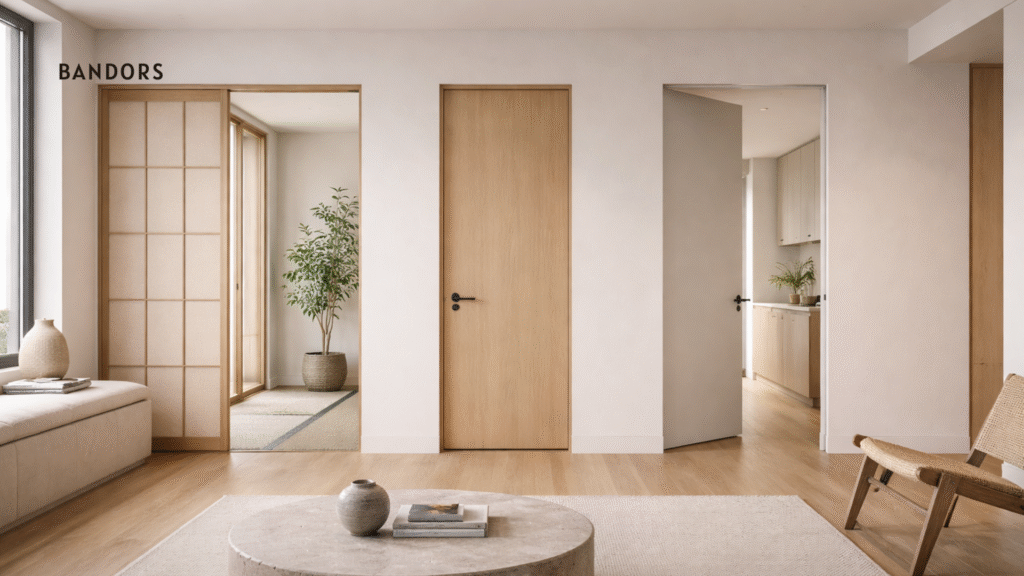
Interior doors may seem universal, but how they are designed, used, and perceived varies widely across cultures. From open-plan North American homes to restrained Scandinavian interiors and compact urban residences across Asia, doors quietly reflect how different societies understand privacy, movement, and daily life.
Rather than following a single global trend, modern interior design reveals a pattern of regional priorities. This article explores how interior door trends differ across cultures—and what these differences reveal about the way homes are lived in around the world.
North America: Flexibility and Defined Zones
In many North American homes, interior doors balance openness with clear spatial definition. Open-plan layouts are common, yet doors remain important tools for creating privacy when needed.
Hinged doors are still widely used for bedrooms and bathrooms, while sliding systems increasingly appear in dining rooms, home offices, and transitional spaces. The emphasis is often on flexibility—doors that allow spaces to adapt without permanently closing them off.
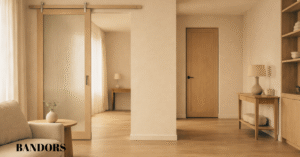
This approach aligns with broader discussions around sliding doors vs hinged doors, where movement and adaptability shape everyday living.
Scandinavia: Visual Calm and Subtle Integration
Scandinavian interiors are known for restraint, light, and continuity. Doors in these homes are often designed to recede rather than stand out.
Flush panels, concealed hinges, and pocket doors are common, allowing walls to remain uninterrupted and spaces to feel visually calm. The goal is not to erase separation entirely, but to ensure that doors do not disrupt the overall rhythm of the interior.
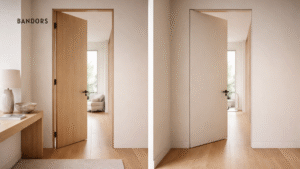
This preference for subtlety closely reflects ideas explored in visible vs invisible door systems, where disappearance becomes a design choice.
East Asia: Efficiency in Compact Living
In dense urban environments across East Asia, space efficiency drives door design. Homes are often compact, and doors must support daily routines without wasting precious floor area.
Sliding and pocket doors are frequently used to maximise flexibility. Rooms may serve multiple purposes throughout the day, with doors opening and closing to adapt to changing needs.
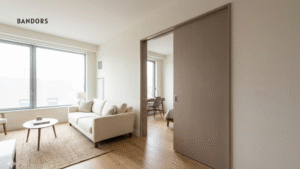
These priorities echo the design strategies discussed in interior doors for small apartments, where every spatial decision matters.
Europe Beyond Scandinavia: Tradition Meets Modernity
In many European homes, traditional hinged doors remain common, particularly in older buildings. However, contemporary renovations increasingly blend classic proportions with modern detailing.
Solid doors with simplified profiles, neutral finishes, and improved acoustic performance are often favoured. Rather than abandoning tradition, designers reinterpret it to suit modern lifestyles.
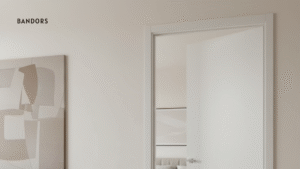
This balance mirrors broader conversations about when hinged doors still make sense in contemporary interiors.
Glass Doors as a Cross-Cultural Trend
One trend that transcends regional boundaries is the use of glass interior doors. Across cultures, glass is increasingly used to borrow light while maintaining functional separation.
From European apartments to Asian urban homes and North American lofts, glass doors support openness without eliminating boundaries entirely.
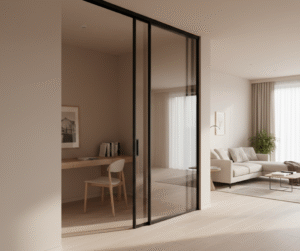
The appeal of transparency is explored further in glass sliding doors in modern homes, where light becomes a design tool.
What Global Trends Have in Common
Despite cultural differences, modern interior door trends share several common principles:
Efficient use of space
Adaptability to daily routines
Visual restraint rather than ornamentation
Across regions, doors are increasingly evaluated not by how they look alone, but by how well they support everyday living.
Conclusion
Interior door trends vary across cultures, but they are united by a shared goal: creating homes that feel intuitive, flexible, and comfortable. Whether doors are designed to stand out or disappear entirely depends on context—shaped by space, tradition, and lifestyle.
Understanding these cultural perspectives offers valuable insight into modern interiors worldwide, reminding us that even the simplest design elements are deeply connected to how we live.
Recent Comments