Are Barn Doors Outdated? A More Considered Look at Their Place in Modern Interiors
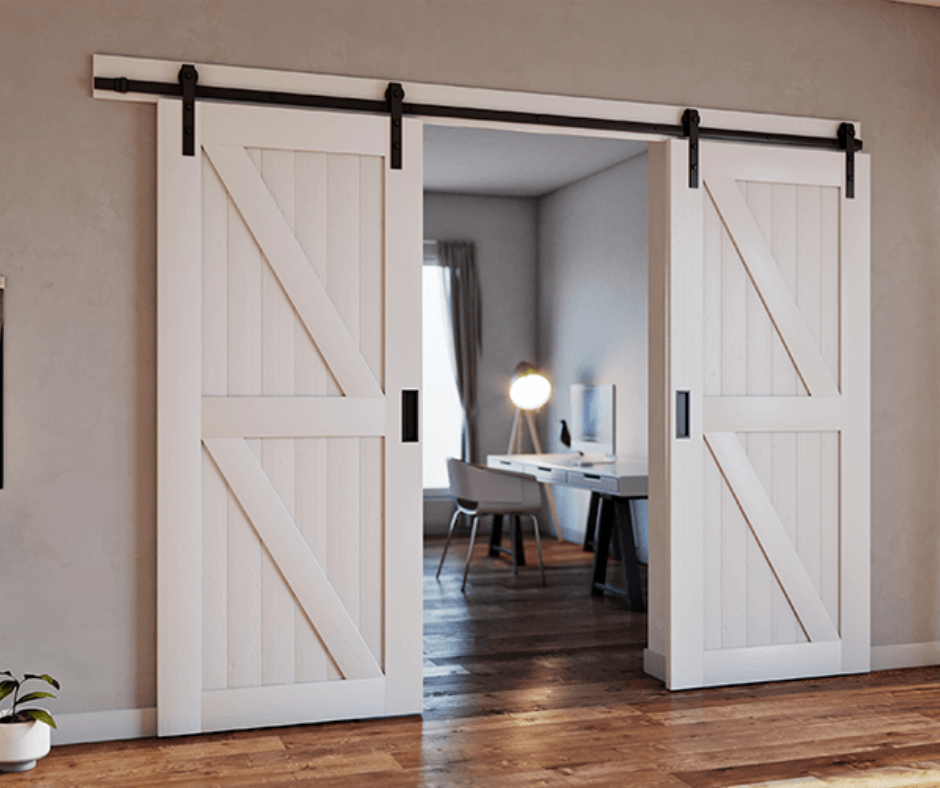
Barn doors have had a long and visible moment in contemporary interiors. Once celebrated for their practicality and rustic charm, they became a defining feature of homes across continents—appearing in apartments, townhouses, and open-plan living spaces alike.
Today, however, as interior design continues to mature and refine itself, a quieter question has emerged among homeowners and designers alike: are barn doors outdated—or have they simply been misunderstood?
The answer, as with most design questions, is not absolute. Barn doors are neither obsolete nor universally appropriate. Instead, their relevance depends on context, restraint, and the evolving way we think about space.
Why Barn Doors Began to Feel Dated
Design fatigue rarely comes from a single element. It develops when a concept is repeated without reflection.
The Aftermath of a Dominant Trend
Barn doors rose alongside the modern farmhouse movement, a style that prioritised warmth, texture, and visual character. For a time, the look felt fresh and approachable. But widespread replication eventually stripped it of nuance.
When a design solution becomes formulaic, it loses its ability to feel intentional.
Execution Over Substance
Interior designers frequently note that many barn doors failed not because of the idea itself, but because of poor execution. Oversized hardware, mismatched materials, and doors placed without consideration for proportion or function quickly diminished their appeal.
In such cases, the barn door became a visual shortcut rather than a considered architectural choice.
A Shift Toward Visual Quietness
As interiors move toward calmer palettes and simplified forms, elements that draw too much attention can feel intrusive. Traditional barn doors—particularly those with rustic detailing—often struggle to coexist with minimalist or Japandi-inspired spaces.
Outdated, or Simply Used Without Intention?
Despite shifting trends, it would be misleading to dismiss barn doors entirely.
Design Is Contextual, Not Absolute
A barn door is, at its core, a sliding door. Its success depends on proportion, materiality, and how it responds to the surrounding architecture. When these factors are addressed thoughtfully, the result can feel contemporary rather than nostalgic.
The Evolution of the Barn Door
Modern interpretations differ significantly from earlier farmhouse versions. Today’s designs tend to feature flatter profiles, refined finishes, and subtler hardware. Glass panels, steel frames, and concealed tracks allow barn doors to integrate quietly into a space instead of dominating it.
Where Barn Doors Still Work Well
Barn doors remain a sensible choice in certain scenarios:
Compact homes where swing space is limited
Open layouts that benefit from flexible separation
Walk-in wardrobes or secondary spaces
In these contexts, the door serves a functional role without competing visually.
How Designers View Barn Doors Today
Designers have not abandoned barn doors—they have become more selective.
A Matter of Discipline
What professionals tend to avoid is not the barn door itself, but undisciplined use. When treated as an architectural element rather than a decorative statement, barn doors can still enhance a space.
Situations Where Designers Continue to Use Them
Barn doors are often considered when:
Space efficiency is a priority
The door complements a feature wall
Materials and hardware are chosen with restraint
Here, the door feels intentional rather than opportunistic.
Where They Are Less Appropriate
In rooms that demand acoustic privacy or complete enclosure—such as bedrooms or certain bathrooms—designers often favour alternatives that provide better performance.
Contemporary Alternatives Gaining Attention
As interiors become more nuanced, several door systems are increasingly preferred.
Pocket Doors
Discreet and minimal, pocket doors disappear entirely when open. While they require advance planning, they align well with modern architectural principles.
Sliding Glass Doors
Favoured for their ability to maintain openness while defining zones, sliding glass doors are common in contemporary homes that prioritise light.
Concealed Track Systems
Hidden sliding mechanisms provide the function of a barn door without the visual presence of exposed hardware, appealing to minimalist sensibilities.
Pivot Doors
Often used as architectural statements, pivot doors introduce drama through scale and movement rather than ornamentation.
Refining the Barn Door for Modern Interiors
For those who still appreciate the concept, refinement is key.
Materials That Feel Current
Subtle wood grains, reeded glass, and slim metal frames allow barn doors to feel considered rather than nostalgic.
Hardware That Recedes
The best modern barn doors are supported by hardware that does not demand attention. Slim profiles and muted finishes allow the door to belong to the space rather than dominate it.
Alignment with Interior Language
Barn doors are most successful when they speak the same visual language as the rest of the home. Consistency, more than trend, determines longevity.
So, Are Barn Doors Outdated?
Barn doors are not inherently outdated. What has changed is the tolerance for uncritical repetition.
When used without thought, they can feel dated.
When designed with restraint and purpose, they remain relevant.
In contemporary interiors, it is not the door that defines modernity—but the decisions surrounding it.
Recent Comments