The Pros and Cons of Barn Doors: A Balanced Perspective for Modern Homes
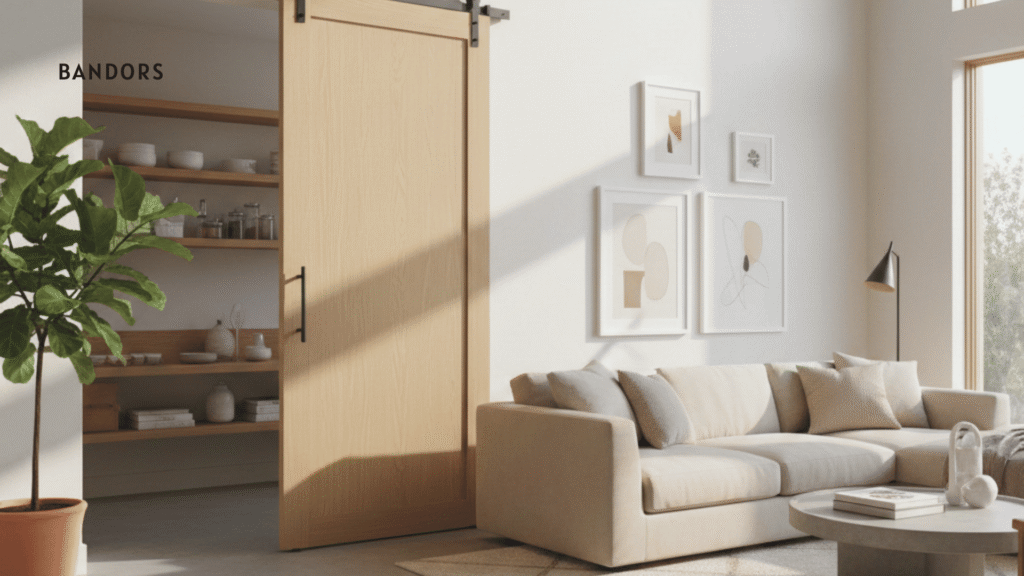
Barn doors occupy a curious place in modern interiors. Once embraced for their practicality and visual character, they have since become the subject of debate—praised by some for their flexibility, questioned by others for their limitations.
As with many design elements, barn doors are neither inherently good nor inherently flawed. Their success depends on how well their strengths are understood—and how carefully their compromises are managed.
Rather than approaching barn doors as a trend to follow or abandon, this article takes a balanced look at their advantages and disadvantages, examining how they perform in real homes and everyday living.
The Advantages of Barn Doors
Space Efficiency Without Structural Complexity
One of the most commonly cited benefits of barn doors is their ability to save space. By sliding along the wall rather than swinging inward or outward, they eliminate the clearance required by hinged doors.
In homes where floor plans are tight or layouts are fixed, this can offer a practical solution without major structural changes.
Flexibility in Open-Plan Layouts
Barn doors are often used as soft dividers in open-plan homes. They allow spaces to be separated when needed—during work hours, meals, or quiet moments—without permanently closing off rooms.
When left open, they maintain visual continuity, supporting a more fluid way of living.
Visual Presence as an Architectural Element
Unlike doors designed to disappear, barn doors remain visible even when open. When thoughtfully designed, this visibility can add texture, rhythm, and movement to an interior.
In modern homes, refined materials and minimal hardware allow barn doors to function as architectural features rather than decorative statements.
The Limitations of Barn Doors
Reduced Sound and Light Control
Barn doors typically offer less acoustic and light insulation than traditional hinged or pocket doors. Gaps around the edges are common, which can limit their effectiveness in spaces requiring privacy.
For this reason, designers often avoid using barn doors in bedrooms or bathrooms where sound control is essential.
Much of the debate around these limitations is also tied to broader questions about whether barn doors are outdated, or simply misunderstood in contemporary interiors.
Dependence on Wall Space
While barn doors save floor space, they require uninterrupted wall space alongside the opening. Furniture placement, artwork, and lighting must be planned carefully to avoid interference.
In compact rooms, this requirement can become a constraint rather than a benefit.
Hardware Visibility and Long-Term Wear
Because barn door hardware is exposed, it becomes part of the room’s visual language. Poorly proportioned or overly prominent tracks can feel heavy over time.
From a practical standpoint, exposed hardware also demands regular alignment and maintenance to ensure smooth operation.
How Designers Weigh the Trade-Offs
Interior designers rarely evaluate barn doors in isolation. Instead, they consider how the door supports the way a space is used daily.
Questions often include:
Is visual separation sufficient, or is acoustic privacy required?
Should the door contribute visually, or remain unobtrusive?
Does the layout allow for adequate wall clearance?
These trade-offs become especially clear when comparing barn doors with other sliding systems, particularly in how they shape spatial experience and privacy.
When these considerations align with what barn doors do best, they remain a viable and effective choice.
Are Barn Doors Right for Modern Homes?
Barn doors continue to work well in certain contexts: home offices, walk-in closets, dining areas, and transitional spaces. In these settings, their advantages often outweigh their limitations.
Problems arise when barn doors are expected to perform beyond their natural strengths. Used thoughtfully, they can enhance flexibility and character. Used indiscriminately, they can frustrate daily living
Conclusion
The conversation around barn doors often swings between enthusiasm and rejection. In reality, their value lies somewhere in between.
Understanding the pros and cons of barn doors allows homeowners and designers to make decisions rooted in function rather than trend. In modern homes, the most successful design choices are rarely absolute—they are intentional.
Recent Comments